JOURNAL
Why You Should Sell Your Art on Multiple Channels
TL;DR: Your art needs to be where collectors are looking. Selling across multiple channels increases the chances of being discovered. Use marketplaces and social platforms to reach new collectors, then bring those collectors back to a channel you own, your website.
It doesn't matter how good your work is if nobody sees it. The first job of every artist, dealer or gallery is not to make a sale. It’s to be discovered. Your goal is to make your work discoverable wherever collectors are. Here are three reasons why you should be selling your art on multiple channels.
1. Marketplaces don't lower the value of your art
There is a common belief that selling your art on certain platforms lowers its value. That listing your art on eBay, Etsy, or other marketplaces makes it feel less exclusive. I think this is wrong.
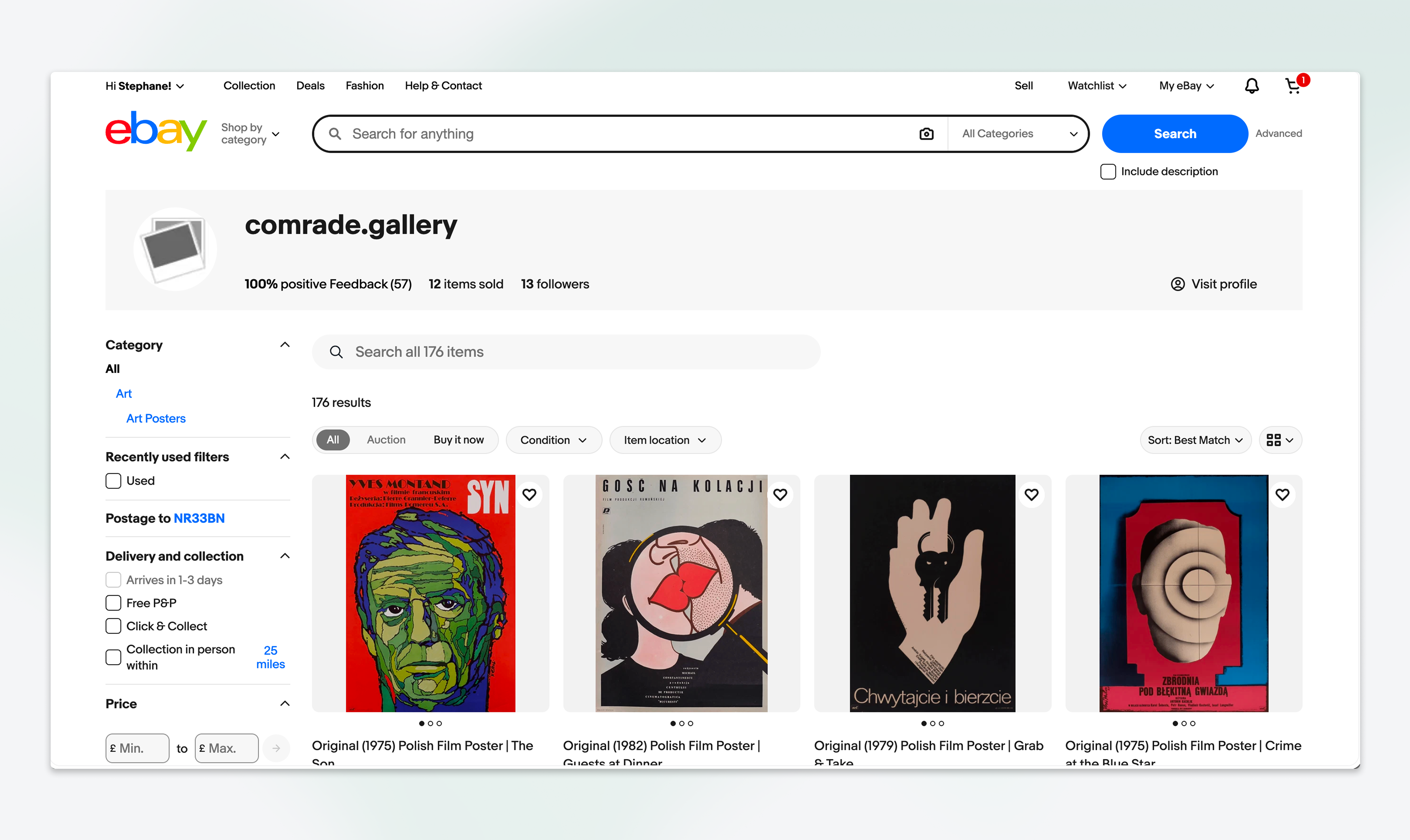
You do not need to sell all your artwork on every platform. Different channels can serve different purposes. I sell some of my older inventory on eBay, while keeping newer acquisitions and more important works on my own website. The platforms are not competing with each other. They simply reach different audiences. I have also had several collectors discover an artwork on eBay, purchase it, and later move to my own website to buy more.
The mistake is thinking that the platform where someone discovers your art determines the value of your work. What matters is getting your art in front of collectors across as many channels as possible, then building a direct relationship with them once they do buy.
2. Collectors don't discover art in the same place
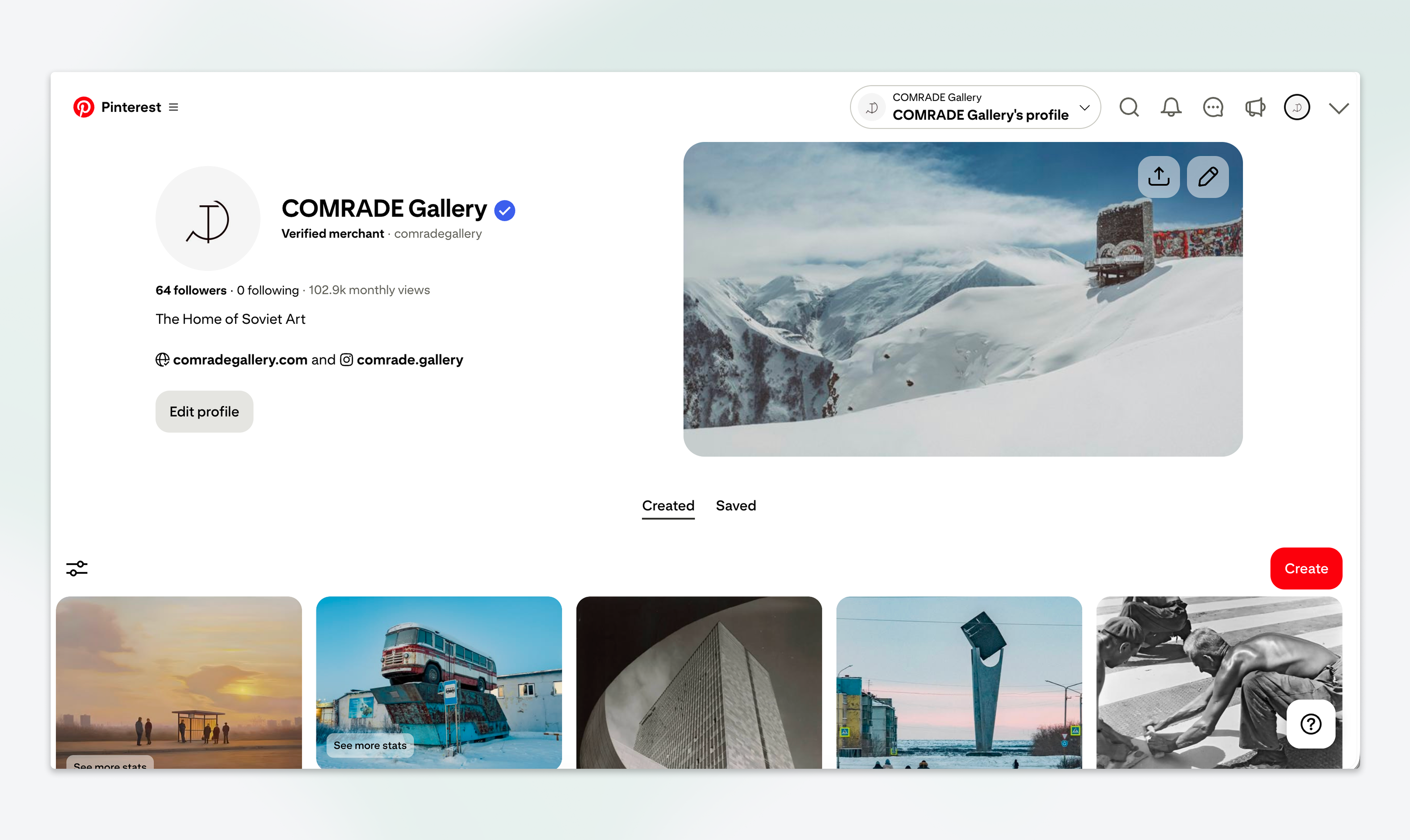
Art is moving online because collectors are already online. Collectors discover art in different ways. One might find your work through Pinterest, another might follow you on Instagram, while an entirely different collector might discover you through your website, eBay, Google, or another marketplace where your art is listed.
Each platform is simply another way to expand your reach. They are all funnels that introduce new people to your work. The more places your artwork appears, the more opportunities you create for the right collector to find you. Your website, Instagram, Pinterest, TikTok, eBay, and other channels are different entry points into the same collection and different ways for collectors to discover, follow, and eventually buy your work.
3. Don't build your business on just one platform
One of the biggest mistakes you can make is relying on a single sales channel, especially one you do not own. If all of your sales come from Instagram, eBay, Etsy, or any other marketplace, you are building your business on someone else's platform. They control everything. A single algorithm change can reduce your reach overnight. A marketplace can increase its fees or change its policies. None of these decisions are in your control.
Your website is different. It is the only sales channel you own. You decide how your artwork is presented, how you communicate with collectors, and what happens after they make a purchase. That does not mean you should only sell through your website. Quite the opposite.
Use marketplaces and social media to introduce new collectors to your work, then use your website to build long-term relationships with them. Every external platform should be be a path that leads to your website. The more roads you build, the easier it is for collectors to find you.
Selling your art on multiple channels requires the right tools
The challenge with selling across multiple channels is not creating the listings - although that manual work does take hours. It is keeping everything accurate and up to date. If you list the same artwork on your website, eBay, Shopify, and other platforms manually, you create more admin work and more opportunities for mistakes.
With my own gallery, I experienced this myself. In the past, I manually listed the same artwork across multiple channels. When one artwork sold, I sometimes forgot to remove it everywhere else and ended up selling the same artwork twice.
KANDINSKY solves this problem by keeping your inventory synced across every connected sales channel, from Pinterest, WhatsApp, Squarespace, and soon Instagram and eBay. When an artwork is updated or sells, your inventory is automatically across every connected channel.
Today, KANDINSKY works with galleries, artists, and collectors around the world, including Qazart, Belgilda Gallery, COMRADE, and Kiln Studio. Get started for €1 or join our community